Barndominium Permits in Alberta, Saskatchewan and BC
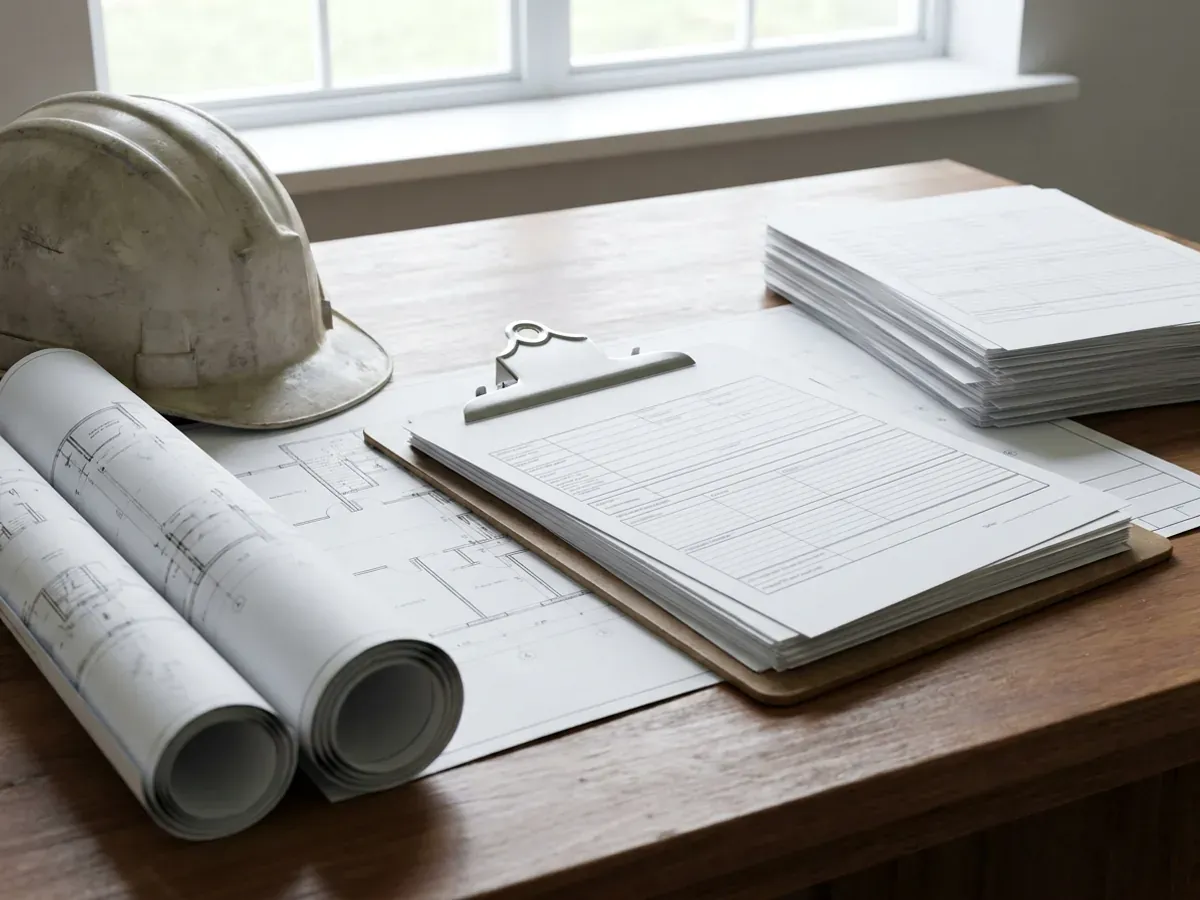
A barndominium you live in is a house, and it goes through the same approvals as any other house. In Alberta that usually means a development permit under the municipality's land use bylaw and a building permit under the Safety Codes Act, plus separate permits for the electrical, gas, plumbing and private sewage work. Saskatchewan and British Columbia each do it their own way. For land in all three provinces we prepare the drawings, handle the applications and set out the order everything has to happen in.
Barndominium Permits in Alberta
Most rural development in Alberta needs two approvals. A development permit, under the county's or municipal district's land use bylaw, answers whether the use is allowed on the parcel. A building permit, under the Safety Codes Act, answers whether it is built safely. Every Alberta municipality must pass a land use bylaw dividing it into districts with permitted and discretionary uses, so the first question is always which district your land is in.
Building, electrical, gas, plumbing and private sewage work each need their own permit. Permits come from your municipality if it is accredited under the Safety Codes Act; in non-accredited areas they come through agencies working for the Alberta Safety Codes Authority. Calgary, Edmonton, Red Deer and Lethbridge issue building permits for new houses themselves.
Alberta also ties the building permit to its new home rules. A building permit for a new home is issued only with evidence that the home complies with the New Home Buyer Protection Act and will be built by someone who holds the appropriate licence or authorization. Every new home must carry warranty coverage of at least 1 year on materials and labour, 2 years on delivery and distribution systems, 5 years on the building envelope and 10 years on structural defects, and you can check any Alberta builder's licence in the province's public Builder Registry.
Barndominium Permits in Saskatchewan
In Saskatchewan, local authorities, meaning cities, towns and rural municipalities, administer and enforce the construction codes through licensed building officials and issue building permits under their own building bylaws. Saskatoon and Regina each issue their own building permits for new houses; most barndominiums, though, are built in the rural municipalities around them. Rural land use is set by each rural municipality's official community plan and zoning bylaw.
The edition of the building code that applies is the one in force on the day the building permit is issued. Farm buildings with no living space are exempt from the construction codes unless the municipality opts in, but a building that contains a home is not a farm building. A septic system needs its own permit from the Saskatchewan Health Authority before it is installed.
How Permits Work in British Columbia
British Columbia builds to the BC Building Code everywhere except the City of Vancouver, which has its own building bylaw. In unincorporated rural areas, a regional district can regulate building only if it provides a building inspection service, and some electoral areas have none.
The absence of a building permit does not mean the absence of rules. Even where no building permit is required, a builder still needs a BC Housing residential builder licence and home warranty insurance before starting construction, and the warranty must cover 2 years on materials and labour, 5 years on the building envelope and 10 years on structure. On Agricultural Land Reserve land, a parcel is generally limited to one residence, with a principal residence of no more than 500 m² of total floor area.
Permitting: how the work runs
Four stages, in this order. The sequence matters more than it looks: on rural land, settling the land use, the water supply, the private sewage system and the permits before anything is built is what keeps a project from stalling.
Jurisdiction and land use check
We confirm which municipality has jurisdiction, which land use district or zone the parcel is in, and what that district allows. That tells us which permits are needed and what the house has to fit around.
Water and septic
On rural land the water supply and the private sewage system come first. You arrange the well or water connection, and the septic system goes through its own permit with the people qualified to design and install it; we plan the house around both.
Drawings and applications
We prepare the drawings, with the engineered frame and foundation design and the energy information, and handle the permit applications your municipality or regional district requires.
Review, revisions and inspections
We answer plan review comments and revise the drawings, then the building official inspects the work at the stages the permit calls for through to the final inspection.
The land use bylaw comes before the building permit
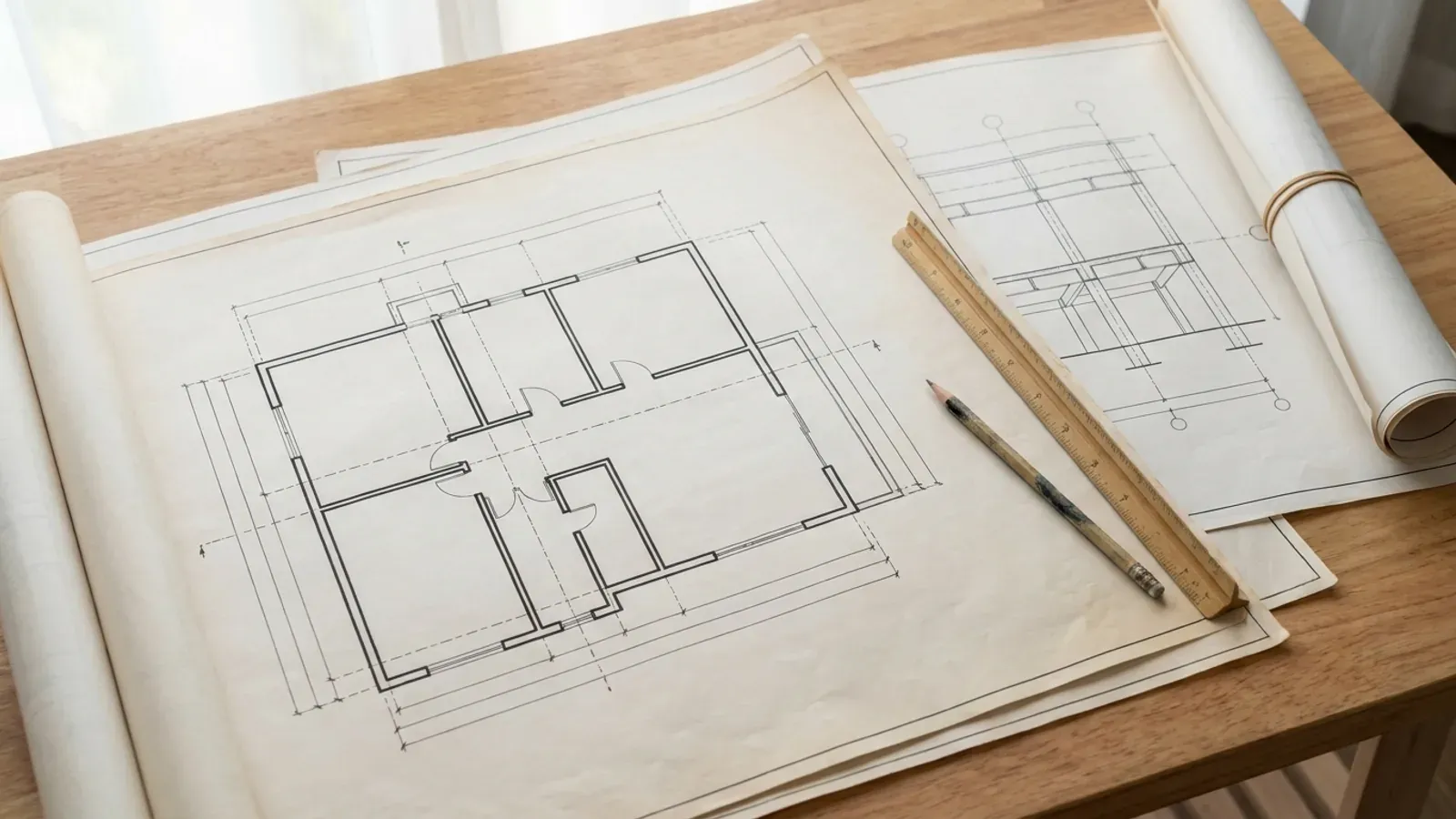
The building permit is about how the house is built. Before that, the municipality's land use bylaw decides whether a house, a shop and a suite are allowed on your parcel at all. Getting that answer first is what keeps a design from being drawn twice.
Where we deliver permitting
Most barndominiums are built on rural land, and there the local government is the first office that matters: an Alberta county or municipal district, a Saskatchewan rural municipality or a British Columbia regional district. Its land use bylaw decides what can go on the parcel. In Alberta the building permit comes from the municipality if it is accredited under the Safety Codes Act, or through an agency working for the province where it is not. In British Columbia the Agricultural Land Reserve limits houses on farmland, and not every regional district provides a building inspection service. The province and city pages set out what each place publishes.
Barndominium builders in Alberta, Saskatchewan and BC.
Every municipality has its own answer on land use, permits, water and septic. The province and city pages set out what each one publishes.
What actually decides the price
Square footage is the number everyone leads with, and it is rarely the one that moves a barndominium budget. These four do.
-
Which municipality
Each municipality sets its own permit fees, application requirements and review times, and some ask for more drawings than others.
-
How many approvals
A permitted use on a simple parcel needs fewer approvals than a discretionary use, a suite in a shop or a parcel with water courses or slopes.
-
Septic design and permit
The private sewage system is designed, permitted and installed separately, and the soil decides how simple or involved it is.
-
Revisions
A complete first submission keeps plan review rounds, and their redrawing costs, to a minimum.
Permitting in Western Canada: common questions
8 questions we get asked most often about building in Western Canada. If yours is not on the list, ask it directly.
Do I need a building permit for a barndominium?
What is the difference between a development permit and a building permit in Alberta?
Who issues building permits in rural Alberta?
Who issues building permits in rural Saskatchewan?
Can I build my own barndominium in Alberta?
Does Alberta require a new home warranty?
Do I need a separate permit for the septic system?
Is a building permit needed everywhere in British Columbia?
Sources
- Permits and Alberta's Safety Code System — Government of Alberta
- Safety Codes Act, Permit Regulation (Alta Reg 204/2007) — Alberta King's Printer
- New home warranty – Overview — Government of Alberta
- New house construction — City of Calgary
- Building Bylaws — Government of Saskatchewan
- BC Building Code 2024 — Province of British Columbia
- Apply to Become a Licensed Residential Builder in B.C. — BC Housing
Keep reading
The pages that answer the next question this one raises.
Can You Build a Barndominium in Canada?
Permits, builder licensing and warranty law, the ALR, septic and water in all three provinces.
Read itHow Long Does It Take?
How the approvals fit into the whole build schedule.
Read itWhere We Build
Who issues the permits, province by province and city by city.
Read itReady to put permitting against a real plan? Start there and the rest follows.
Tell us about the land
Tell us where the parcel is and what you want on it, and we will come back with which municipality has jurisdiction, what the land needs before it can be built on, and a realistic budget range. Starting the survey costs nothing.